HNZXIB — Laboratory Equipment
Precision Laboratory Equipment for Research Scientists and Pharmaceutical Innovators
HNZXIB serves a specialized community of professionals who demand uncompromising precision in their laboratory work. Research scientists conducting groundbreaking studies, university laboratories training the next generation of researchers, and pharmaceutical companies developing life-saving treatments all rely on equipment that performs flawlessly under extreme conditions. Understanding what is HNZXIB begins with recognizing this commitment to serving those who push the boundaries of scientific discovery.
Based in Zhengzhou, China, HNZXIB has built its reputation on delivering laboratory instruments that meet and exceed international standards. Every ultra-low temperature freezer, rotary evaporator, and freeze dryer carries FDA and CE certification, ensuring compliance with the strictest regulatory requirements across global markets. The brand's 110V/60Hz compatibility specifically addresses North American power standards, making these instruments immediately deployable in research facilities throughout the United States and Canada.
The mission driving HNZXIB focuses on providing quality laboratory products paired with exceptional service to customers worldwide. This dedication translates into equipment engineered for reliability — from 304 stainless steel construction that resists corrosion in demanding laboratory environments to PID temperature control systems maintaining precision accuracy within ±0.1°C. For professionals storing biological samples, conducting pharmaceutical research, or processing heat-sensitive materials, HNZXIB delivers the performance their critical work requires.
From Cryogenic Storage to Precision Drying: The Complete Instrument Portfolio
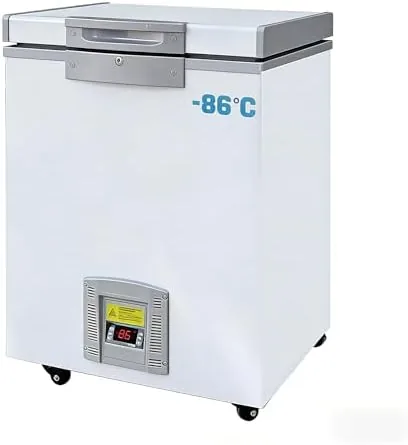
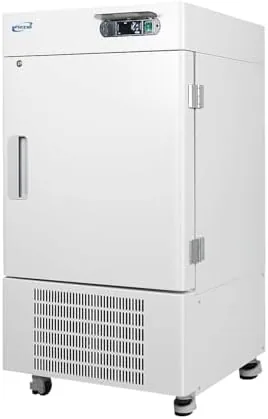
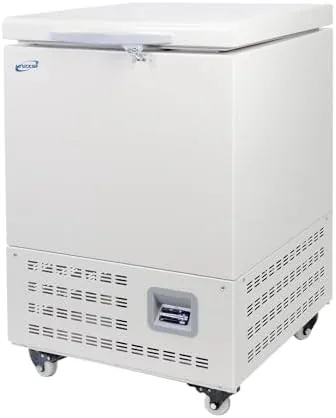
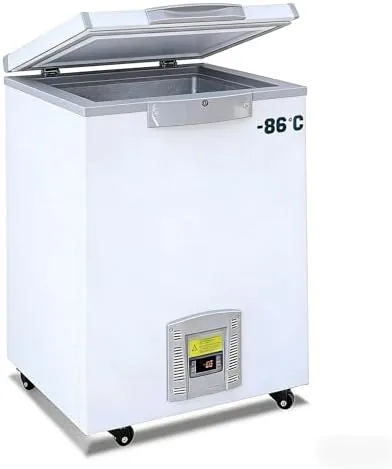
- Ultra-Low Temperature Freezers The flagship category spans capacities from 20L portable units to 80L high-capacity models, all achieving the critical -86°C (-123°F) threshold essential for preserving vaccines, enzymes, biological specimens, and tissue samples with absolute temperature stability.
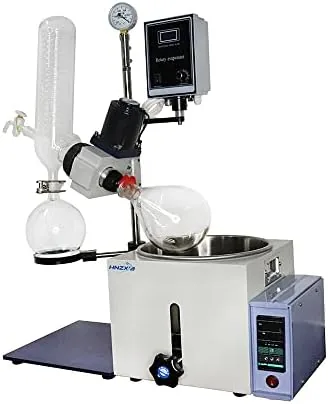
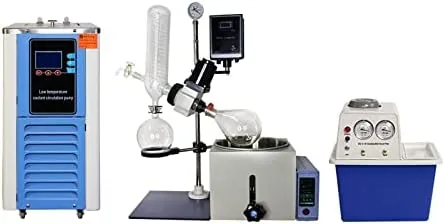
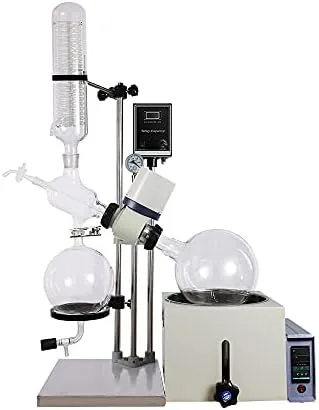
- Rotary Evaporators Designed for vacuum distillation and efficient solvent removal, these evaporators serve chemistry departments, pharmaceutical development labs, and extraction facilities requiring precise control over evaporation processes.
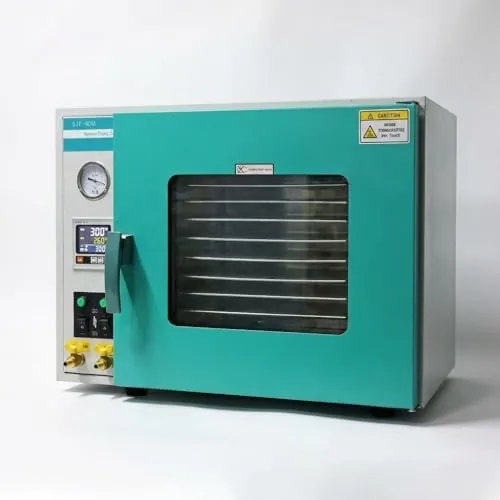
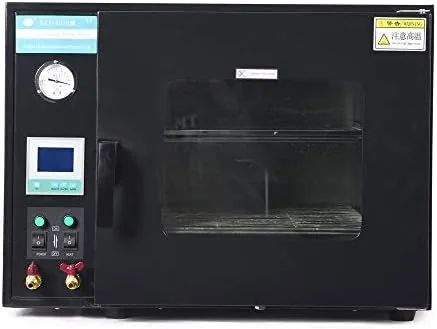
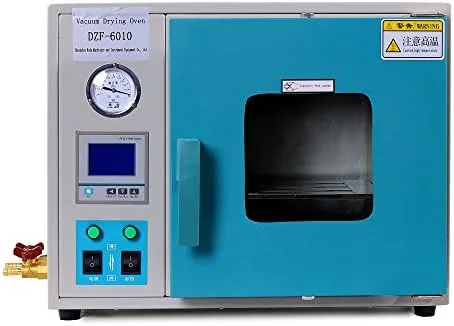
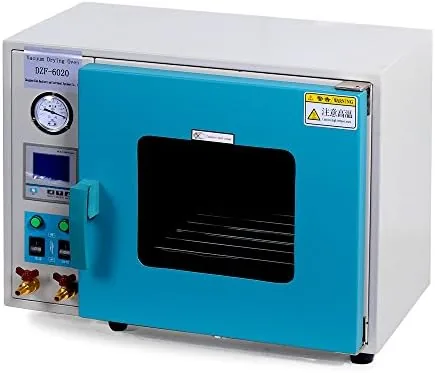
- Vacuum Drying Ovens Featuring stainless steel chambers built for durability and contamination resistance, these ovens handle heat-sensitive materials in biochemistry research and laboratory baking tests where atmospheric pressure control proves essential.
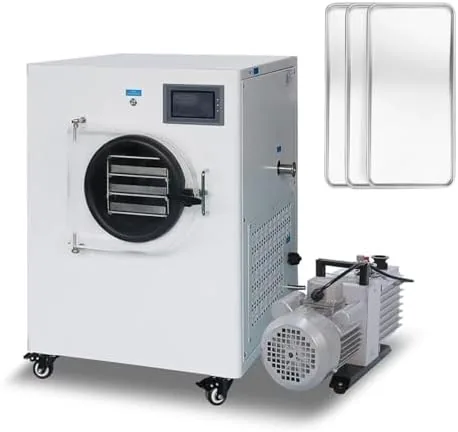
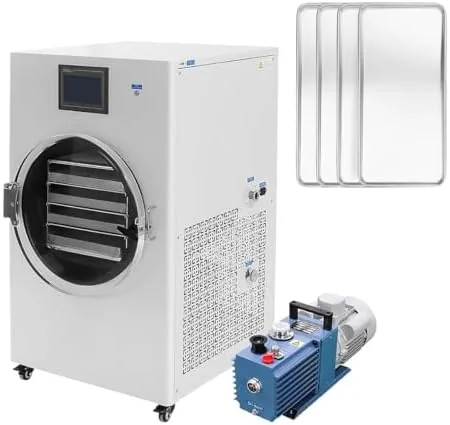
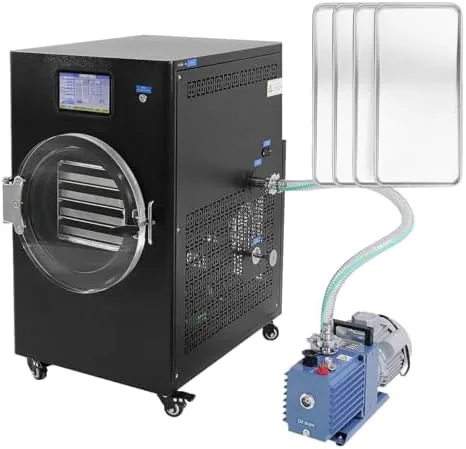
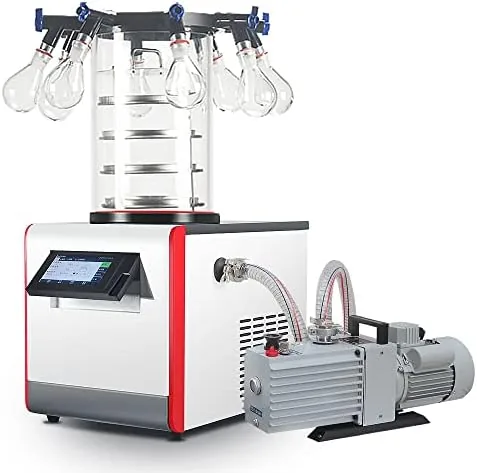
- Freeze Dryers Utilizing vacuum sublimation technology, the lyophilization systems preserve pharmaceutical compounds, biological samples, and food products by removing moisture without degrading temperature-sensitive active ingredients.
- Spray Dryers The 2000ml/h stainless steel lab spray dryer transforms liquid samples into powder form with inlet temperatures reaching 300°C and outlet temperatures up to 150°C for material research applications.
- Biochemistry Analyzers Semi-automatic systems like the BC300 deliver exceptional measurement accuracy with 0.001Abs resolution, supporting clinical and research laboratories in precise biochemical index determination.
Cascade Refrigeration and Copper-Core Engineering: The Technology Behind -86°C
Achieving and maintaining ultra-low temperatures of -86°C requires sophisticated engineering that goes far beyond standard refrigeration technology. The cascade refrigeration system represents the core innovation powering HNZXIB freezers, utilizing multiple refrigeration stages working in sequence to reach temperatures impossible for single-stage compressors. This system operates continuously — 24 hours a day, 7 days a week — without the thermal cycling that compromises sample integrity in lesser equipment.
The full copper tube system serves as the foundation for heat exchange efficiency within these freezers. Copper tube fin condensers deliver rapid cooling and superior heat dissipation compared to aluminum alternatives, extending equipment service life while reducing long-term maintenance requirements. This material choice reflects the brand's philosophy that initial construction quality determines decades of reliable operation in research environments where equipment failure carries consequences measured in irreplaceable samples and halted experiments.
Automatic over-temperature alarm protection provides the safety net every laboratory requires. When temperature deviations threaten stored samples, the alert system activates immediately, giving researchers time to respond before damage occurs. Combined with microcomputer digital control technology displaying real-time temperature readings and adjustment accuracy of 0.1°C, these freezers deliver the monitoring precision that pharmaceutical storage protocols and research grant requirements demand. The patented autocascade single-stage refrigeration technology further distinguishes this approach, offering strong cooling performance with reduced failure rates compared to dual-compressor alternatives.
HNZXIB Laboratory Equipment: Core Features That Define Research-Grade Performance
- PID Temperature Control Proportional-integral-derivative control maintains ±0.1°C accuracy, essential for applications where even minor temperature fluctuations can compromise experimental results or stored sample viability.
- 304 Stainless Steel Construction Medical-grade stainless steel resists corrosion from laboratory chemicals and cleaning agents while providing the durability required for equipment operating continuously over years of service.
- FDA/CE Certification Dual certification confirms compliance with United States Food and Drug Administration requirements and European conformity standards, enabling deployment in regulated pharmaceutical and clinical environments.
- 110V/60Hz Power Compatibility North American electrical standards compatibility eliminates the need for voltage converters or special wiring, allowing immediate installation in standard laboratory electrical infrastructure.
- Digital Display Interface Real-time temperature monitoring with digital readouts provides continuous visibility into equipment status, supporting documentation requirements for quality control and regulatory compliance.
- Intelligent Computer Configuration Microcomputer-based control systems enable precise parameter adjustment and automated operation, reducing the need for constant manual monitoring while maintaining strict environmental conditions.
Laboratory Workhorses: The Freezers and Analyzers Researchers Trust Most
The 58L -86°C Ultra Low Temperature Freezer has emerged as the volume leader within the product line, offering the capacity most research laboratories require without occupying excessive floor space. With its temperature range spanning -40°C to -86°C, this model provides flexibility for various storage protocols while the automatic over-temperature alarm ensures sample protection during extended unattended operation. The eco-friendly refrigeration system featuring copper tube fin-type air-cooled condensers delivers rapid cooling with superior heat dissipation — specifications that pharmaceutical companies and university labs consistently prioritize.
For facilities requiring maximum storage capacity, the 80L Ultra Low Temperature Freezer delivers the same -123°F performance with brand-name core components including compressor, fan, and controller. The patented autocascade single-stage refrigeration technology provides strong cooling with low failure rates and extended service life, addressing the concerns of biobanks and research institutions managing irreplaceable sample collections. Digital display interfaces and accurate temperature control make this model the choice for facilities where documentation and traceability requirements govern operations.
Beyond cryogenic storage, the BC300 Semi-Auto Biochemistry Analyzer has established itself among clinical laboratories and research facilities requiring precise biochemical measurements. The 30μl quartz flow cell ensures consistent sample analysis while the 0.001Abs display resolution — backed by 0.0001Abs internal calculation accuracy — delivers the measurement precision that diagnostic applications demand. QC charts built into the system support quality control protocols, making this analyzer particularly valuable in regulated environments where measurement traceability matters.
304 Stainless Steel, Copper Tube Systems, and Quartz Flow Cells
Structural Materials
- 304 stainless steel chambers for corrosion resistance
- Full copper tube refrigeration systems
- Copper tube fin condensers for heat dissipation
- Uncoated stainless steel cooking surfaces
- IPX3 waterproof-rated enclosures
Precision Components
- 30μl quartz flow cells for optical clarity
- Brand-name compressors for reliability
- PID controllers for temperature stability
- Digital microcomputer control systems
- Three-color LED indicator systems
Continuous Cooling, Zero Thermal Cycling, and Samples Preserved for Years
The practical performance of laboratory freezers reveals itself over months and years of continuous operation, not in specification sheets. HNZXIB ultra-low temperature freezers maintain their -86°C setpoints through 24/7 continuous cooling cycles, eliminating the thermal fluctuations that occur when compressors cycle on and off. This stability proves critical for biological samples where even brief temperature excursions can trigger ice crystal formation damaging cellular structures.
Research facilities report that the single-stage compression refrigeration system delivers energy savings of up to 40% compared to dual-compressor configurations while maintaining equivalent cooling performance. This efficiency translates directly to reduced operating costs over the typical 10-15 year service life of laboratory freezers. The reduced component count also means fewer potential failure points — a consideration that matters enormously when freezers protect sample collections representing years of research work or irreplaceable biological materials.
Durability testing confirms that the copper tube fin condenser design extends equipment service life significantly compared to aluminum alternatives. The superior heat dissipation characteristics of copper prevent the condenser fouling that degrades cooling performance over time, while the corrosion resistance of 304 stainless steel internal chambers maintains sanitary conditions essential for pharmaceutical storage applications. Laboratory managers consistently note that maintenance requirements remain minimal even after years of continuous operation, with the automatic alarm systems providing early warning of any developing issues before they threaten stored samples.
How HNZXIB Ultra-Low Freezers Work: Installation, Operation, and Temperature Management
- Initial Installation Position the unit on a level surface with adequate ventilation clearance around the condenser. Connect to a dedicated 110V/60Hz electrical circuit and allow 24 hours for temperature stabilization before loading samples.
- Temperature Programming Use the digital control interface to set target temperature within the -40°C to -86°C range. The PID controller automatically adjusts compressor operation to maintain ±0.1°C accuracy once equilibrium is reached.
- Sample Loading Protocol Organize samples in appropriate cryogenic storage boxes before loading. Minimize door-open time to prevent temperature spikes — the alarm system will alert if internal temperature exceeds programmed thresholds.
- Ongoing Monitoring Check digital display readings daily as part of standard laboratory protocols. Document temperatures in compliance logs as required by FDA or institutional regulations governing sample storage.
- Condenser Maintenance Clean the copper tube fin condenser quarterly using compressed air or soft brush to remove dust accumulation that reduces heat dissipation efficiency. This simple maintenance extends equipment life significantly.
- Alarm Response Procedures When over-temperature alarms activate, verify door seal integrity and condenser airflow immediately. Transfer samples to backup storage if temperature cannot be restored within acceptable timeframes.
Electrical Requirements, Ventilation Specifications, and Laboratory Safety Standards
Proper installation begins with understanding the electrical infrastructure requirements these instruments demand. All ultra-low temperature freezers require dedicated 110V/60Hz circuits — shared circuits risk voltage drops during compressor startup that can damage control electronics or trigger false alarm conditions. The power draw during initial cooldown exceeds steady-state operation significantly, making circuit capacity assessment essential before installation. Ground fault circuit interrupter protection is recommended for laboratory environments where liquid spills could create electrical hazards.
Ventilation clearance around the condenser unit directly affects cooling efficiency and equipment longevity. Manufacturers specify minimum distances from walls and adjacent equipment that allow adequate airflow across the copper tube fin condenser. Installations in enclosed spaces or areas with restricted airflow cause condenser overheating that degrades refrigeration performance and triggers protective shutdowns. Temperature monitoring in the immediate environment surrounding the freezer helps identify ventilation problems before they escalate to equipment failures.
The automatic over-temperature alarm system provides critical safety functionality that laboratories must integrate into their emergency response procedures. Alarm thresholds should be set conservatively below the maximum acceptable temperature for stored samples, providing response time before damage occurs. Many facilities connect these alarms to building monitoring systems or cellular notification services ensuring that temperature excursions trigger immediate response even during nights and weekends when laboratories are unoccupied. Backup power systems — whether uninterruptible power supplies or generator connections — represent the final layer of sample protection for facilities storing irreplaceable materials.
The Perfect Equipment Partner for Biobanks, Pharma Labs, and University Research Facilities
Biobank facilities managing tissue samples, cell lines, and biological specimens require storage equipment that maintains absolute temperature stability over years of continuous operation. The combination of -86°C capability, automatic alarm protection, and FDA certification makes these freezers suitable for collections governed by regulatory frameworks and institutional review requirements. Biobank managers appreciate the documentation capabilities that digital temperature displays provide, simplifying compliance with chain-of-custody and storage condition verification protocols.
Pharmaceutical companies conducting drug development research face unique demands around equipment validation and regulatory compliance. CE certification confirms conformity with European medical device directives, while FDA registration addresses United States market requirements. These certifications matter enormously when audit trails must demonstrate that investigational materials were stored under validated conditions throughout clinical trial timelines. The precision temperature control delivering ±0.1°C accuracy satisfies the stability testing requirements that pharmaceutical quality assurance departments enforce.
University laboratories operate under budget constraints that make equipment durability and energy efficiency primary selection criteria. The 40% energy savings achieved through single-stage compression technology reduces operating costs over the 10-15 year typical equipment lifetime. Graduate students and research technicians benefit from intuitive digital controls that require minimal training, while principal investigators appreciate alarm systems that protect research investments representing years of grant-funded work. The combination of professional-grade performance and accessible pricing positions this equipment ideally for academic research environments.
Selecting the Right Ultra-Low Freezer Capacity and Temperature Range
Capacity selection begins with honest assessment of current storage needs plus reasonable growth projections. The 20L portable model serves individual researchers or satellite laboratory locations requiring dedicated storage for specific project samples. At 28L, capacity increases sufficiently for small research groups sharing a single freezer, while the 50L and 58L models support full laboratory operations with multiple active research projects. The 80L high-capacity unit addresses biobank facilities and pharmaceutical storage applications requiring maximum sample density.
Temperature range requirements vary by application. Vaccine storage protocols often specify -70°C as the threshold, making any unit in the product line suitable. However, some biological samples and pharmaceutical compounds require the full -86°C capability for optimal preservation. The -40°C to -86°C adjustable range in certain models provides flexibility for facilities handling diverse sample types with varying storage requirements. Understanding the specific temperature needs of intended applications prevents both under-specification that risks sample integrity and over-specification that wastes energy maintaining unnecessarily low temperatures.
Physical dimensions and facility constraints often determine final selection as much as technical specifications. Measure doorways, elevator capacities, and final placement locations before ordering. The portable 20L model fits through standard doorways and operates in confined spaces where larger units cannot be accommodated. Consider future relocation possibilities — laboratories that may move or reorganize benefit from smaller units that can be repositioned without specialized equipment. Power availability in the intended location must match the 110V/60Hz requirement, with dedicated circuit capacity verified before installation commitment.
HNZXIB vs. Leading Laboratory Freezer Manufacturers: Performance Comparison
| Feature | HNZXIB | Thermo Fisher | Stirling Ultracold |
|---|---|---|---|
| Minimum Temperature | -86°C (-123°F) | -86°C (-123°F) | -86°C (-123°F) |
| Temperature Accuracy | ±0.1°C PID Control | ±0.5°C Standard | ±0.5°C Standard |
| Refrigeration System | Cascade Single-Stage | Dual Compressor Cascade | Free-Piston Stirling |
| Energy Efficiency | 40% savings vs dual-compressor | Standard consumption | Up to 70% savings |
| Certifications | FDA/CE | FDA/CE/UL | FDA/CE/UL/Energy Star |
| Price Range | Budget-friendly | Premium pricing | Premium pricing |
| Capacity Options | 20L to 80L | 50L to 900L | 25L to 780L |
| Warranty Standard | Standard manufacturer | Extended available | Extended available |
| North American Power | 110V/60Hz native | Multiple configurations | Multiple configurations |
Specifications based on manufacturer published data. Actual performance may vary by model and operating conditions.
Condenser Cleaning, Seal Inspection, and Long-Term Reliability Protocols
- Quarterly Condenser Maintenance Remove dust accumulation from copper tube fin condenser using compressed air or soft bristle brush. Blocked condenser fins reduce heat dissipation efficiency, forcing compressors to work harder and shortening equipment lifespan.
- Door Seal Inspection Examine gasket condition monthly for cracks, compression set, or ice accumulation that indicates air infiltration. Replace seals showing visible wear before they compromise temperature stability or increase energy consumption.
- Temperature Calibration Verification Annually verify digital display accuracy against a calibrated reference thermometer placed in the chamber. Document any deviations for maintenance records and adjust if readings exceed acceptable tolerances.
- Alarm System Testing Monthly test over-temperature alarm functionality by temporarily adjusting threshold settings. Confirm that alarms activate correctly and notification systems — whether local or remote — respond as expected.
- Defrost Cycle Management Schedule manual defrost cycles if frost accumulation exceeds manufacturer specifications. Excessive frost insulates evaporator coils and degrades cooling efficiency while consuming interior storage space.
- Component Inspection Schedule Annual professional inspection of compressor operation, refrigerant charge levels, and electrical connections extends equipment service life and identifies developing issues before they cause failures during critical storage periods.