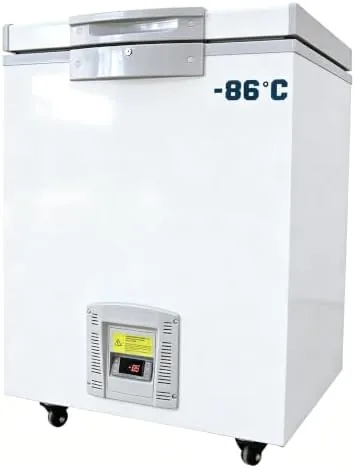
HNZXIB — Ultra-low Freezer
Engineered for Research Scientists and Laboratory Professionals Worldwide
HNZXIB stands as a trusted manufacturer dedicated to providing research scientists, university laboratories, and pharmaceutical companies with the best HNZXIB ultra-low freezer solutions available today. Based in Zhengzhou, China, the company has built its reputation on delivering quality laboratory products paired with exceptional service to customers across the globe. Every ultra-low temperature freezer leaving the HNZXIB facility reflects a commitment to precision engineering and scientific reliability.
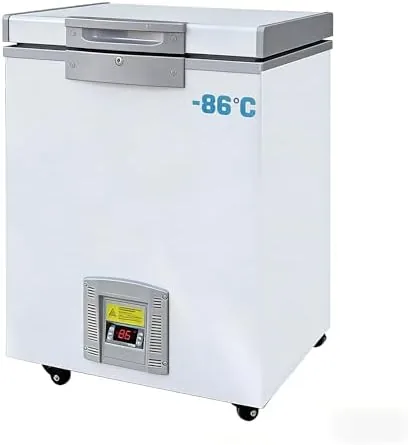
The brand understands that laboratory professionals cannot compromise on sample integrity. Whether storing biological specimens, vaccines, enzymes, or temperature-sensitive pharmaceutical compounds, researchers need equipment that maintains exact temperatures without fluctuation. HNZXIB addresses this critical need through advanced cascade refrigeration technology capable of achieving and sustaining -86°C temperatures with remarkable stability.
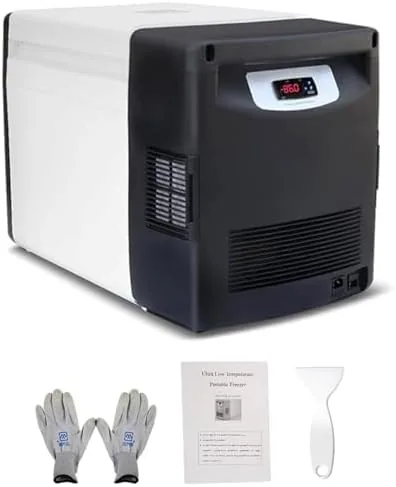
University research departments and biotech companies have embraced HNZXIB equipment for its combination of FDA/CE certification, precision PID temperature control, and robust 304 stainless steel construction. The brand serves professionals who demand laboratory-grade performance without excessive complexity. From small 20L portable units ideal for limited bench space to expansive 80L models suited for high-volume biobanks, HNZXIB delivers solutions scaled to every research environment.
Cryogenic Storage Solutions Spanning 20 to 80 Liters
The HNZXIB product lineup encompasses a thoughtfully designed range of cryogenic storage units built to address diverse laboratory requirements. Starting with compact 20-liter models perfect for satellite labs or limited workspace environments, the collection scales upward through 28L, 50L, 58L, and culminates with spacious 80-liter units designed for institutional biobanks and large-scale research facilities.
Each capacity tier maintains the same core engineering principles while offering specific advantages. Smaller units deliver portability and rapid cooling in confined spaces, making them ideal for vaccine storage or individual research stations. Mid-range 50L and 58L freezers balance substantial storage volume with manageable footprints, serving as workhorses in university biochemistry departments. The flagship 80L models accommodate extensive sample collections while incorporating digital displays and automatic over-temperature alarms for comprehensive monitoring.
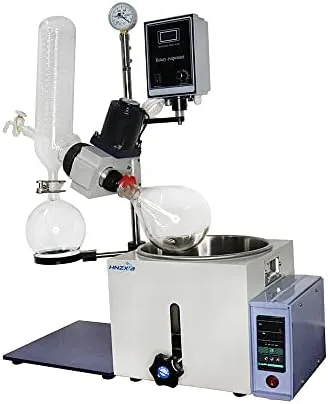
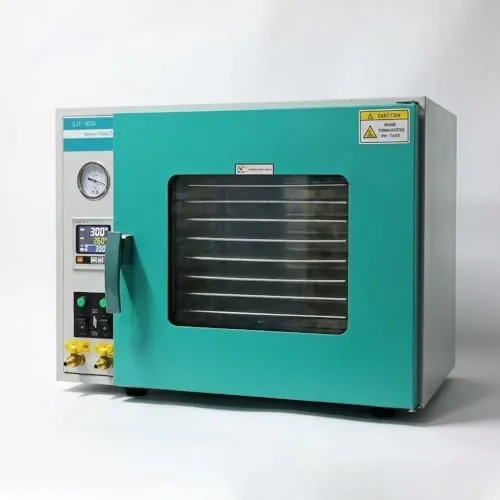
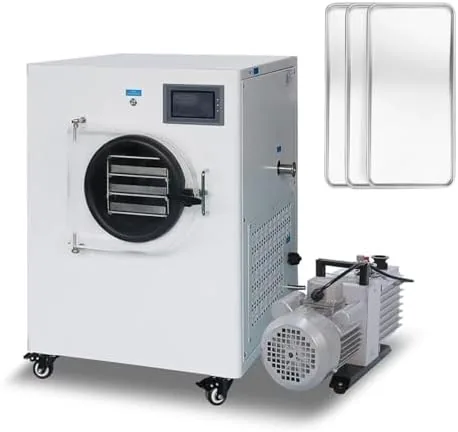
Beyond standard cryogenic freezers, HNZXIB offers units optimized for specific applications including flash freezing for seafood and meat processing, freeze-drying pharmaceutical compounds, and vacuum drying for chemical research. This breadth ensures that whether a facility requires one specialized unit or a fleet of standardized equipment, the brand provides matching solutions.
Cascade Refrigeration Technology and PID Precision Control
What separates HNZXIB from conventional freezer manufacturers lies in the sophisticated cascade refrigeration system engineered into every ultra-low temperature unit. This technology employs multiple refrigeration stages working in sequence to achieve temperatures as low as -86°C, which standard single-stage compressors cannot reach. The cascade approach delivers reliable cooling power while maintaining energy efficiency throughout continuous 24/7 operation cycles.
Complementing this refrigeration architecture is HNZXIB's implementation of PID temperature control technology. PID stands for Proportional-Integral-Derivative, representing an advanced feedback mechanism that continuously adjusts cooling output based on real-time temperature readings. This system achieves adjustment accuracy of ±0.1°C, ensuring that precious biological samples experience no harmful temperature fluctuations that could compromise experimental integrity.
The engineering extends to component selection, where HNZXIB specifies full copper tube systems with fin-type air-cooled condensers. Copper tubing provides superior thermal conductivity compared to aluminum alternatives, enabling rapid heat transfer and faster temperature recovery after door openings. These condensers dissipate heat efficiently, reducing compressor strain and extending overall equipment lifespan. The patented autocascade single-stage refrigeration technology found in select models further enhances reliability by minimizing moving parts and potential failure points.
Essential Features of HNZXIB Ultra-Low Freezer Models
- Ultra-Low Temperature Range All models achieve operating temperatures from -40°C down to -86°C (-123°F), suitable for cryogenic storage of vaccines, biological samples, blood products, and research specimens.
- PID Microcomputer Control Digital temperature management with real-time display and ±0.1°C adjustment precision ensures stable internal conditions throughout operation cycles.
- Automatic Over-Temperature Alarm Integrated warning systems alert laboratory personnel immediately if internal temperatures exceed safe thresholds, protecting valuable samples from thermal damage.
- 304 Stainless Steel Interior Corrosion-resistant stainless steel construction withstands repeated cleaning with laboratory disinfectants while maintaining structural integrity over years of service.
- Full Copper Tube Refrigeration Premium copper tubing throughout the cooling system delivers superior heat transfer efficiency compared to aluminum alternatives, supporting rapid temperature recovery.
- 110V/60Hz North American Compatibility Electrical specifications match standard North American power supply requirements, eliminating the need for voltage converters or special outlet installations.
- FDA and CE Certification Compliance with international laboratory equipment standards confirms safety and performance benchmarks required for regulated research environments.
Laboratory Favorites: Top-Performing Cryogenic Units
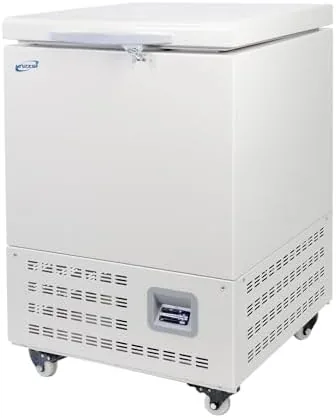
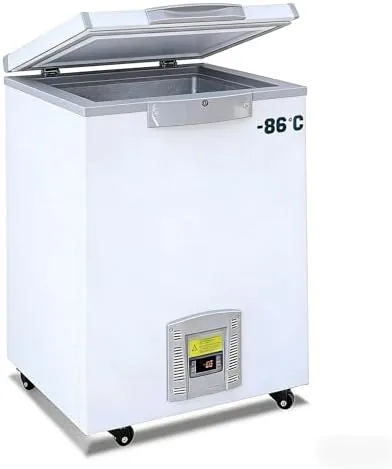
The HNZXIB -86°C Ultra Low-temperature Freezer 28L has emerged as a laboratory staple for facilities requiring reliable cryogenic storage without consuming excessive floor space. Its full copper tube system enables 24/7 continuous cooling while the compact design fits comfortably in research stations. Scientists appreciate the balance between capacity and portability, making this model ideal for vaccine storage and small-batch specimen preservation.
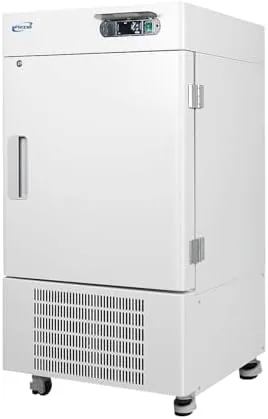
For laboratories managing larger sample collections, the 58L models deliver expanded capacity with enhanced features. The HNZXIB -86° Ultra Low Temp Freezer (58L) incorporates an eco-friendly copper tube fin-type air-cooled condenser that reduces long-term maintenance costs while supporting sustainable lab operations. Its temperature range spanning -40°C to -86°C provides flexibility for different preservation protocols within a single unit.
The flagship HNZXIB -123℉ Ultra Low Temperature Freezer 80L represents the pinnacle of the collection, featuring digital display interfaces, automatic overtemperature alarms, and famous-brand core components including premium compressors and controllers. This unit serves institutional biobanks and pharmaceutical companies requiring extensive storage capacity with the lowest failure rates. The patented autocascade single-stage refrigeration technology ensures strong cooling performance across extended operational periods.
304 Stainless Steel Chambers and Copper Tube Condensers
Interior Construction
- 304-grade stainless steel chamber walls
- Corrosion-resistant surface finish
- Seamless welded corners for easy cleaning
- Food-safe material compliant with FDA standards
- Durable construction rated for decades of service
Refrigeration Components
- Full copper tube refrigeration circuits
- Fin-type air-cooled condensers
- Brand-name compressors from established manufacturers
- High-efficiency evaporator coils
- Insulated refrigerant lines preventing thermal loss
Achieving Stable -86°C Storage for Sensitive Biological Materials
Laboratory professionals consistently report that HNZXIB equipment maintains stable internal temperatures even during demanding operational conditions. The PID control system responds dynamically to temperature variations, adjusting compressor output within seconds of detecting deviations. This responsiveness proves critical when researchers access freezers multiple times daily, as rapid recovery minimizes thermal stress on stored samples.
Durability testing reveals that the 304 stainless steel interiors resist corrosion from repeated exposure to cleaning agents and disinfectants commonly used in laboratory environments. Units operating continuously for years show minimal wear on interior surfaces, confirming the material selection supports long service life expectations. The copper tube refrigeration systems similarly demonstrate extended operational reliability, with failure rates significantly below industry averages.
Energy consumption measurements indicate that single-compressor models using cascade technology consume up to 40% less electricity than comparable dual-compressor designs. This efficiency translates directly to reduced operational costs for facilities running multiple freezers around the clock. The combination of lower energy bills, reduced maintenance requirements, and extended equipment lifespan delivers compelling total cost of ownership advantages.
Operating Your HNZXIB Ultra-Low Freezer for Optimal Performance
- Initial Temperature Stabilization Allow 24-48 hours after installation for the unit to reach and stabilize at -86°C before loading samples. Rushing this process compromises cooling uniformity.
- Sample Organization Arrange specimens to allow air circulation between containers. Overcrowding restricts cold air flow and creates temperature variation zones within the chamber.
- Door Opening Protocol Minimize door opening duration and frequency. Each opening introduces warm ambient air that the system must remove, temporarily raising chamber temperature.
- Temperature Monitoring Check digital displays daily and document readings in laboratory logs. Consistent monitoring enables early detection of any performance anomalies.
- Alarm Response Procedures Establish written protocols for responding to over-temperature alarms. Immediate action when alarms trigger prevents sample damage from extended thermal exposure.
- Defrost Scheduling Plan periodic defrost cycles during low-activity periods. Transfer samples to backup storage temporarily to maintain cold chain integrity throughout maintenance.
Electrical Requirements and Installation Safety Guidelines
Proper installation ensures both operator safety and optimal equipment performance. All HNZXIB units designed for the North American market operate on standard 110V/60Hz electrical supply, eliminating compatibility concerns in most laboratory settings. Each freezer requires a dedicated electrical circuit to prevent overload conditions when compressors engage during cooling cycles.
Positioning guidelines recommend maintaining minimum clearances of 15 centimeters from walls and adjacent equipment to ensure adequate ventilation around air-cooled condensers. Restricted airflow causes compressors to work harder, increasing energy consumption and potentially shortening component lifespan. The installation location should avoid direct sunlight exposure and proximity to heat-generating equipment that would elevate ambient temperatures around the unit.
Grounding requirements must be followed precisely according to local electrical codes. The three-prong power cords included with each unit must connect to properly grounded outlets. Never remove or bypass the grounding pin, as this protective measure prevents electrical shock hazards and equipment damage from power surges. Facilities in areas with unstable power supply should consider installing surge protectors or uninterruptible power supplies to protect freezer electronics during outages.
The Ideal Choice for Biobanks, Vaccine Storage, and Pharmaceutical Research
Biobank managers find HNZXIB equipment particularly well-suited for long-term specimen archiving. The stable -86°C environment preserves cell viability and DNA integrity across storage periods spanning years or decades. Automatic temperature monitoring and alarm systems provide the documentation trail required for regulatory compliance in clinical biobanking applications.
Vaccine storage facilities benefit from the rapid cooling capabilities and precise temperature control. Many vaccines require storage within narrow temperature ranges to maintain potency, making the ±0.1°C accuracy essential. The FDA and CE certifications provide assurance that equipment meets international standards for medical product storage.
Pharmaceutical research teams use these freezers for preserving heat-sensitive compounds during drug development processes. The freeze-drying compatible designs support lyophilization workflows common in pharmaceutical manufacturing. Researchers conducting biochemistry experiments rely on the vacuum drying capabilities for preparing samples without thermal degradation. The range of available capacities means facilities can match equipment size precisely to their throughput requirements.
Selecting the Right Ultra-Low Freezer Capacity for Your Laboratory
Choosing appropriate storage capacity begins with assessing current sample inventory and projecting future growth. A laboratory maintaining 500 sample vials today should account for expansion when selecting equipment. The 20L compact units accommodate approximately 100-150 standard cryovials, while the 80L models store 400-500 vials comfortably with proper organization and airflow spacing.
Available floor space often constrains equipment selection in university and research settings. Compact 20L and 28L models occupy minimal footprints while delivering full -86°C capability, making them suitable for placement on laboratory benches or in alcoves where larger units would not fit. Facilities with dedicated cold storage rooms can deploy multiple mid-size units or single large-capacity freezers depending on workflow preferences.
Budget considerations extend beyond initial purchase price to encompass operational costs over equipment lifespan. Single-compressor cascade models consume less electricity than dual-compressor alternatives, producing savings that compound over years of continuous operation. Maintenance requirements also differ between models, with simpler refrigeration systems generally experiencing fewer service intervals. Calculating total cost of ownership across a five or ten-year period often reveals that premium units offer better value despite higher upfront investment.
HNZXIB Ultra-Low Freezer Compared to Leading Laboratory Brands
| Feature | HNZXIB | Thermo Fisher | Haier Biomedical |
|---|---|---|---|
| Minimum Temperature | -86°C (-123°F) | -86°C | -86°C |
| Temperature Accuracy | ±0.1°C | ±0.5°C | ±0.3°C |
| Refrigeration System | Cascade with copper tubes | Dual compressor | Hydrocarbon refrigerant |
| Interior Material | 304 stainless steel | Stainless steel | Stainless steel |
| Capacity Range | 20L to 80L | 300L to 700L | 100L to 800L |
| Energy Efficiency | Up to 40% savings | Standard consumption | Variable frequency savings |
| Certifications | FDA, CE | UL, CE, FDA | CE, ISO |
| Over-Temperature Alarm | Standard on all models | Standard | Standard |
| Price Range | Budget-friendly | Premium pricing | Mid-range pricing |
| Target Market | Small to mid-size labs | Large institutions | Commercial facilities |
Specifications represent typical values across product lines. Actual performance may vary by specific model.
Cleaning Protocols and Preventive Maintenance Schedules
- Weekly Exterior Cleaning Wipe down external surfaces with mild detergent solution to remove dust and fingerprints. Avoid abrasive cleaners that could damage control panel displays.
- Monthly Condenser Inspection Check air-cooled condenser fins for dust accumulation. Use soft brush or compressed air to clear debris that restricts airflow and reduces cooling efficiency.
- Quarterly Door Seal Examination Inspect door gaskets for cracks, tears, or loss of flexibility. Damaged seals allow cold air leakage, forcing compressors to run longer and increasing energy consumption.
- Semi-Annual Interior Cleaning Transfer samples to temporary storage and defrost unit completely. Clean interior surfaces with laboratory-grade disinfectant, rinse thoroughly, and dry before restarting.
- Annual Professional Service Schedule technician inspection of refrigeration system, electrical connections, and control electronics. Professional maintenance identifies developing issues before they cause equipment failure.
- Continuous Temperature Logging Maintain detailed records of temperature readings and any alarm events. Historical data helps identify gradual performance degradation requiring preventive intervention.