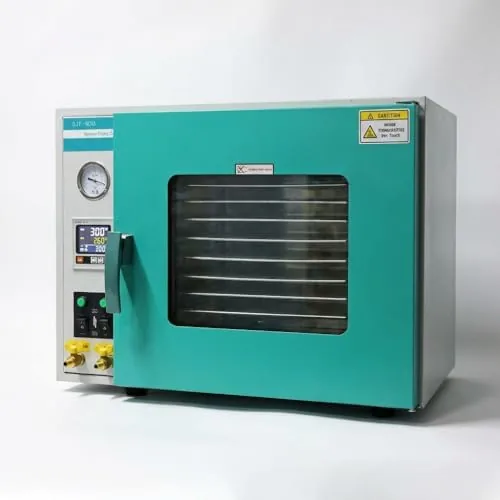
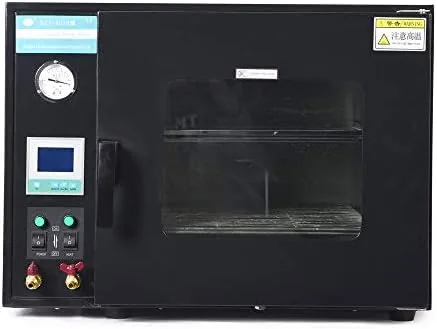
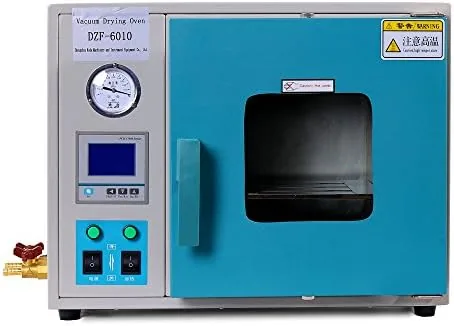
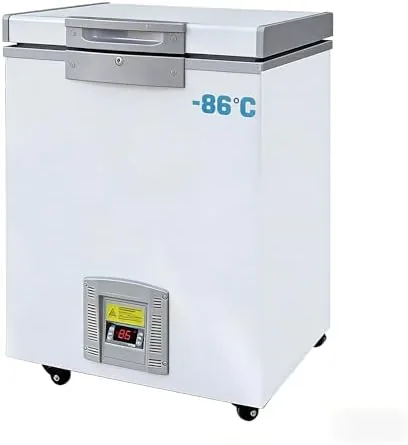
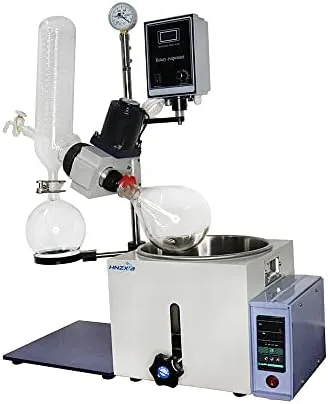
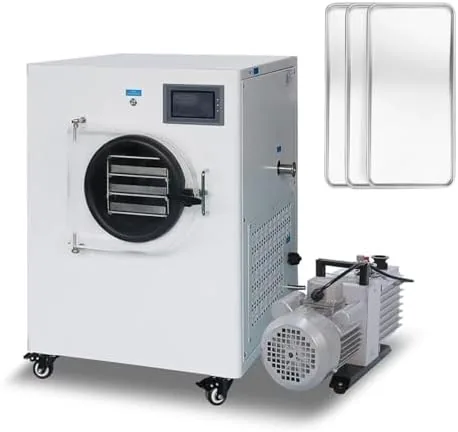
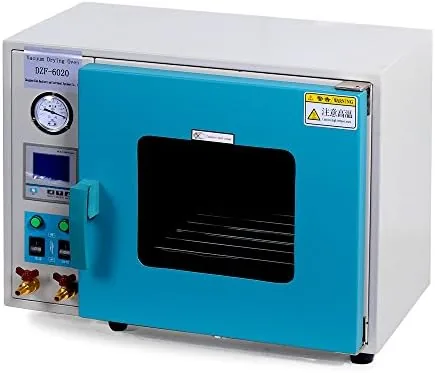
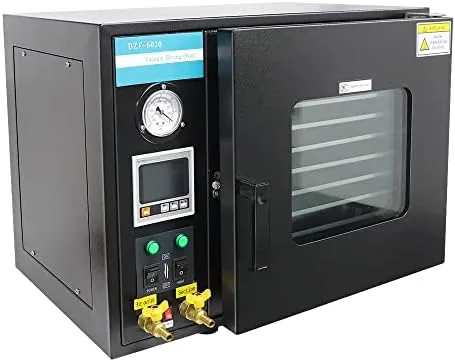
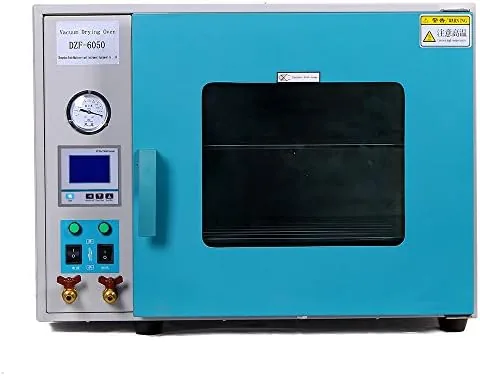
HNZXIB — Drying Oven
Precision Equipment Built for Research Scientists and University Laboratories
HNZXIB stands as a dedicated laboratory equipment manufacturer headquartered in Zhengzhou, China, committed to providing customers worldwide with quality laboratory products and exceptional service. The brand specializes in vacuum drying technology that serves the demanding needs of research scientists, university laboratories, and pharmaceutical companies. Understanding what is HNZXIB drying oven requires recognizing the brand's focus on precision, reliability, and international certification standards that meet FDA and CE requirements.
The company's mission centers on delivering equipment that handles the most challenging laboratory applications, from freeze-drying pharmaceutical compounds to preserving heat-sensitive biological materials. Every vacuum drying oven in the HNZXIB lineup reflects this commitment, featuring 304 stainless steel construction and advanced PID temperature control systems. The brand recognizes that laboratory professionals require equipment they can trust for consistent, repeatable results.
Research institutions across North America benefit from HNZXIB's attention to regional power standards, with all equipment designed for 110V/60Hz compatibility. This thoughtful engineering extends to every aspect of the product line, ensuring seamless integration into existing laboratory infrastructure without the need for voltage converters or electrical modifications.
A Complete Range of Vacuum Chambers for Every Laboratory Scale
The HNZXIB collection spans capacities from compact 8L units perfect for small-batch processing to expansive 55L chambers designed for high-throughput laboratory operations. This breadth ensures that solo researchers working in limited space and large pharmaceutical facilities managing substantial sample volumes can both find equipment precisely matched to their requirements. The rectangular vacuum chamber designs maximize usable internal space while maintaining efficient heat distribution.
Each capacity tier maintains the same commitment to build quality and temperature precision. The 20L and 25L mid-range models serve as versatile workhorses for university research departments, while the 0.28 Cu Ft compact units fit specialized applications where bench space comes at a premium. Larger 1.9 Cu Ft and 1.94 Cu Ft models accommodate multiple shelving configurations for parallel processing of diverse sample types.
Beyond size variations, the product range incorporates different feature configurations to match specific research requirements. Options include units with integrated vacuum pumps for turnkey operation, models with enhanced five-sided heating for superior temperature uniformity, and specialized chambers designed specifically for oxidation-sensitive samples requiring inert gas environments.
Five-Sided Heating Architecture and Inert Gas Environment Engineering
The engineering philosophy driving HNZXIB vacuum drying technology centers on eliminating the temperature gradients that compromise sample integrity in conventional ovens. The five-sided heating system surrounds samples with consistent thermal energy from multiple directions, preventing the hot spots and cold zones that lead to uneven drying and potential sample degradation. This approach proves particularly critical when processing heat-sensitive pharmaceutical compounds or biological specimens.
Sample oxidation protection represents another cornerstone of the design methodology. The chambers support internal inert gas filling, creating oxygen-free working environments that preserve the chemical stability of reactive materials. This capability transforms the equipment from simple drying apparatus into controlled-atmosphere processing chambers suitable for the most demanding biochemistry applications. Decomposable and complex-composition samples maintain their integrity throughout extended drying cycles.
Temperature control precision reaches ±0.1°C through advanced PID algorithms that continuously adjust heating elements based on real-time chamber conditions. The automatic over-temperature alarm protection system provides an additional safety layer, preventing thermal runaway that could destroy valuable samples or create hazardous conditions. These redundant safety measures reflect the brand's understanding that laboratory equipment must protect both personnel and irreplaceable research materials.
Best HNZXIB Drying Oven Features That Define Laboratory Excellence
- 304 Stainless Steel Chamber Construction Corrosion-resistant interior surfaces withstand aggressive cleaning protocols and chemical exposure, maintaining chamber integrity across years of demanding laboratory use.
- PID Temperature Control System Digital precision maintains set temperatures within ±0.1°C accuracy, ensuring reproducible drying conditions for validated research protocols.
- Maximum 392°F Operating Temperature The 200°C maximum temperature range accommodates diverse drying applications from gentle moisture removal to accelerated thermal processing.
- 14.2 PSI Vacuum Capability Strong vacuum performance lowers boiling points of solvents and moisture, enabling low-temperature drying that preserves heat-sensitive compound structures.
- Multi-Shelf Configuration Up to 10 adjustable shelves maximize chamber utilization, allowing simultaneous processing of multiple sample batches in a single drying cycle.
- LCD Digital Display Interface Clear visual feedback provides real-time monitoring of temperature, vacuum level, and cycle progress without requiring external data logging equipment.
- FDA and CE Certification International compliance certifications confirm equipment meets rigorous quality and safety standards required for pharmaceutical and medical research applications.
Laboratory Workhorses: The Models Research Teams Rely On Daily
The HNZXIB Vacuum Drying Oven 1.9 Cu Ft 55L emerges as the flagship choice for laboratories requiring substantial capacity without sacrificing precision. Its five-sided heating system paired with 10 adjustable shelves accommodates large-batch processing while maintaining the temperature uniformity essential for validated research. The digital LCD control interface simplifies operation for technicians across varying experience levels.
For applications demanding the highest sample protection standards, the HNZXIB Laboratory Vacuum Drying Oven 1.94 Cu Ft with sample oxidation protection design serves pharmaceutical research teams processing decomposable compounds. The inert gas filling capability creates oxygen-free environments that prevent degradation of sensitive materials during extended drying cycles. This model's 392°F maximum temperature handles applications from gentle dehydration to intensive thermal processing.
The compact HNZXIB Digital Precision Vacuum Drying Oven 20L delivers the same ±1°C temperature accuracy in a footprint suited to individual researcher workstations. University graduate students and independent research scientists appreciate the balance of precision capabilities and space efficiency. The 25L variant adds seven shelf positions for researchers needing slightly expanded capacity while maintaining the compact form factor.
Cold-Rolled Steel Exteriors and 304 Stainless Interiors
Material selection throughout HNZXIB vacuum drying equipment reflects the demanding requirements of laboratory environments. Interior chambers utilize 304 stainless steel, the industry standard for laboratory equipment due to its exceptional corrosion resistance and compatibility with aggressive cleaning agents. This grade maintains surface integrity against acidic and alkaline substances commonly encountered during sample processing and chamber decontamination.
External construction employs high-quality cold-rolled steel plate treated with electrostatic powder coating. This surface treatment creates a hard, firmly bonded finish that resists scratching, chipping, and corrosion even in humid laboratory conditions. The coating process ensures uniform coverage across complex geometries, eliminating weak points where environmental degradation might begin.
Sealing systems combine precision-machined door frames with high-temperature-resistant gaskets capable of maintaining vacuum integrity across the full operating temperature range. These components undergo rigorous quality testing to verify sustained vacuum performance through thousands of door cycles. The attention to sealing integrity ensures efficient vacuum pump operation and prevents atmospheric contamination of controlled-environment drying processes.
Consistent Results from Sample Preparation Through Long-Term Storage
Laboratory teams report excellent drying uniformity across shelf positions, a direct result of the five-sided heating architecture that eliminates traditional hot spots near heating elements. Samples placed on upper, middle, and lower shelves reach target moisture levels within the same timeframe, enabling true batch processing without the need to rotate samples mid-cycle. This consistency translates to significant time savings in high-throughput research environments.
The combination of precise vacuum control and temperature regulation enables drying of heat-sensitive biological samples at temperatures well below their degradation thresholds. Pharmaceutical compounds retain their structural integrity, and botanical extracts preserve volatile components that would evaporate under atmospheric drying conditions. Research teams working with expensive or irreplaceable samples particularly value this protective capability.
Durability assessments across extended service periods confirm that chamber surfaces maintain their corrosion resistance and sealing components retain their vacuum integrity. The robust construction withstands the thermal cycling inherent in repeated heating and cooling, with no reported warping or seal degradation under normal laboratory use patterns. This reliability ensures consistent performance throughout the equipment's operational lifespan.
How Does HNZXIB Drying Oven Work: Optimizing Your Vacuum Drying Protocol
- Pre-Heat the Chamber Set the target temperature and allow the oven to stabilize before loading samples. The PID system requires 15-30 minutes to reach thermal equilibrium depending on setpoint.
- Arrange Samples Strategically Distribute samples evenly across shelves, avoiding overcrowding that restricts vapor escape. Leave clearance around each sample container for optimal heat transfer.
- Establish Vacuum Gradually Draw vacuum in stages rather than immediately to maximum. This prevents bumping of liquid samples and allows controlled vaporization of volatile components.
- Monitor Process Parameters Check LCD display periodically during early operation to confirm temperature and vacuum stability. Adjust setpoints if samples show signs of thermal stress.
- Utilize Inert Gas When Needed For oxidation-sensitive materials, purge the chamber with nitrogen or argon before initiating the drying cycle. Maintain slight positive pressure to prevent air infiltration.
- Cool Under Vacuum Allow samples to cool within the vacuum environment before venting to atmosphere. This prevents moisture reabsorption from humid laboratory air.
- Clean After Each Use Wipe interior surfaces with appropriate solvents compatible with 304 stainless steel. Remove any residue that could contaminate subsequent sample batches.
Vacuum Level Guidelines and Temperature Safety Protocols
Operating vacuum drying equipment safely requires understanding the relationship between pressure and boiling points. At 14.2 PSI vacuum capability, water boils at approximately 122°F rather than 212°F at sea level. This physical principle enables drying of temperature-sensitive samples but also demands awareness that liquid samples may boil vigorously if vacuum is applied too quickly. Gradual pressure reduction prevents sample loss through bumping or spattering.
The automatic over-temperature alarm system provides critical protection against thermal runaway conditions. Laboratory personnel should verify alarm setpoints before initiating drying cycles and never disable or override these safety systems. When processing unknown samples, conservative temperature settings combined with extended cycle times yield better results than aggressive thermal profiles that risk sample degradation.
Vacuum pump maintenance directly affects drying efficiency and ultimate vacuum levels achievable. Check pump oil levels weekly and replace oil according to manufacturer specifications. Contaminated pump oil reduces vacuum capability and may introduce contaminants into the chamber atmosphere. Regular pump service ensures consistent performance across all applications.
Essential Equipment for Pharmaceutical Researchers and University Labs
Research Applications
- Freeze-drying pharmaceutical formulations
- Removing solvents from synthesized compounds
- Preparing samples for spectroscopic analysis
- Drying biological specimens for preservation
- Processing botanical extracts and natural products
Ideal User Profiles
- Pharmaceutical R&D scientists
- University chemistry departments
- Biotechnology research teams
- Quality control laboratories
- Medical device development groups
Selecting the Right Drying Oven Capacity and Configuration
Capacity selection begins with honest assessment of typical batch sizes and projected growth in laboratory throughput. The compact 8L and 20L models serve individual researchers processing small quantities, while the 55L units accommodate institutional-scale operations. Choosing an undersized unit creates bottlenecks during peak research periods, but excessively large chambers waste energy and floor space. Consider maximum anticipated batch sizes rather than current average needs.
Shelf quantity and adjustability matter significantly for laboratories processing diverse sample types. The seven-shelf configurations in mid-size models provide flexibility for both many small containers and fewer large vessels. The ten-shelf arrangements in larger units maximize capacity for standardized sample formats. Verify that shelf spacing accommodates your tallest containers with adequate clearance for vapor circulation.
Feature requirements depend heavily on sample sensitivity and regulatory compliance needs. Standard models without inert gas capability serve many applications adequately, but pharmaceutical and biological research often demands the oxidation protection systems available in specialized units. Consider whether your protocols require controlled atmosphere processing before selecting between standard and premium configurations. The investment in enhanced features pays dividends when processing valuable or irreplaceable samples.
Buy HNZXIB Drying Oven vs. Competing Laboratory Brands
| Feature | HNZXIB Vacuum Drying Oven | Across International | Thermo Fisher Scientific |
|---|---|---|---|
| Maximum Temperature | 392°F (200°C) | 300°F (150°C) | 392°F (200°C) |
| Temperature Accuracy | ±0.1°C PID Control | ±2°C Analog Control | ±1°C Digital Control |
| Chamber Material | 304 Stainless Steel | Aluminum/Steel | 316 Stainless Steel |
| Vacuum Capability | 14.2 PSI | 10 PSI | 14.7 PSI |
| Heating Configuration | 5-Sided Heating | Bottom Heating Only | 4-Sided Heating |
| Inert Gas Support | Yes — Oxidation Protection | No | Optional Upgrade |
| Shelf Capacity (55L) | Up to 10 Shelves | 4 Shelves | 6 Shelves |
| Certifications | FDA/CE Certified | CE Only | FDA/CE/UL Certified |
| Price Range | Mid-Range | Budget | Premium |
Specifications based on comparable capacity models. HNZXIB delivers premium features at accessible price points for budget-conscious research institutions.
Chamber Cleaning and Long-Term Equipment Preservation
- Daily Wipe-Down Remove sample residue and condensation from chamber walls and shelves using lint-free cloths dampened with isopropyl alcohol or laboratory-grade cleaning solution.
- Weekly Gasket Inspection Examine door gaskets for cracks, hardening, or debris that could compromise vacuum seal. Clean gasket surfaces gently without stretching or deforming the material.
- Monthly Deep Cleaning Remove shelves and clean all interior surfaces thoroughly. Inspect heating elements for discoloration or damage that might indicate impending failure.
- Quarterly Vacuum System Service Check vacuum pump oil level and clarity. Replace contaminated oil and verify pump achieves rated ultimate vacuum with empty chamber.
- Annual Calibration Verification Compare displayed temperature against certified reference thermometer at multiple setpoints. Recalibrate if readings deviate beyond ±1°C from reference values.
- Environmental Considerations Position equipment away from drafts and direct sunlight that could affect temperature stability. Maintain ambient temperature between 59°F and 86°F for optimal performance.